
How to Find a Reliable Tow Truck Company When Traveling: Essential Tips for Peace of Mind

Getting stuck on the road while traveling can be a real headache. Whether it's a flat tire or something more serious, you need a tow truck, and fast. But with so many companies out there, how do you pick one you can actually count on? This guide will help you figure out how to find a reliable tow truck company when traveling, so you can get back on track with less stress.
Key Takeaways
Figure out exactly what kind of tow you need – is it a short trip or a long one? What kind of vehicle are you driving?
Ask friends or look online for companies that people seem to like. Check out what others say in reviews.
Make sure the company is legit – do they have the right licenses and insurance? Also, check if their drivers are trained.
See if they can help you whenever you need it, day or night, and how quickly they can get to you. Do they cover the area you're traveling in?
Ask about their trucks and how they secure your car. Also, find out how much it will cost and what you get for your money.
Understand Your Towing Needs
Before you even think about picking up the phone to call for a tow, take a moment to figure out exactly what you need. It sounds simple, but knowing the specifics can save you a lot of hassle and maybe even some money down the road. Think of it like going to the doctor – you wouldn't just say 'I feel bad,' you'd describe your symptoms, right? Same idea here.
Assess Specific Towing Requirements
What's the situation? Are you stuck on the highway with a busted radiator, or do you need to move a classic car to a show across town? Emergencies are one thing, but if you're transporting a vehicle for a special event, you'll want a different kind of service. Maybe you need a simple tow, or perhaps you need someone to pull your car out of a ditch. Knowing if it's an emergency or a planned move helps the towing company send the right kind of truck and crew.
It's always better to be prepared. Even if you're not in an emergency right now, it's smart to have a go-to towing company in mind for those unexpected moments.
Identify Vehicle Type and Size
What kind of vehicle are you dealing with? Is it a small sedan, a big SUV, a motorcycle, or maybe even a truck? The size and weight of your vehicle matter a lot. A standard tow truck might be fine for a compact car, but a larger vehicle might need a heavier-duty truck or a flatbed. You also need to consider if your vehicle is drivable or not. If it's not, they'll need to know how to safely lift and secure it. Knowing your vehicle's Gross Combined Weight Rating (GCWR) is also a good idea, as it tells you the maximum weight your vehicle can handle when towing [11d4].
Determine Distance of Tow
How far does your vehicle need to go? Are you just going a few miles to the nearest mechanic, or do you need to transport it across the state? Some towing companies are great for local tows, while others specialize in longer hauls. Be clear about the destination. This will affect the cost and also help you find a company that's equipped for the job. For longer trips, you'll want to make sure they have the right setup to keep your car safe for the entire journey [87e6].
Here's a quick breakdown:
Local Tow: Usually under 50 miles, often to a nearby repair shop.
Long-Distance Tow: Can be hundreds of miles, requiring more specialized equipment and planning.
Emergency Tow: Can be any distance, but the priority is speed and getting you to safety.
Research Potential Towing Companies
So, your car decided to take an unscheduled break. Bummer. Now what? Before you just grab the first number you see, it’s smart to do a little digging. You wouldn't hire a contractor without checking their work, right? Same idea here. Finding a reliable towing company means looking beyond just the immediate need.
Leverage Word-of-Mouth Recommendations
Think about who you know. Have any friends, family, or even coworkers ever been in a similar jam? Ask them who they used and what their experience was like. Personal stories can give you a real feel for how a company operates, especially when things go wrong. Sometimes, a recommendation from someone you trust is worth more than a thousand online stars. If you're part of any local online groups, a quick post asking for recommendations can also yield some good leads.
Analyze Online Reviews and Ratings
Once you have a few names, or if you're starting from scratch, hit the internet. Look up these companies on review sites. Don't just glance at the star rating; actually read what people are saying. Are there recurring complaints about long wait times, damage to vehicles, or surprise charges? Or are people consistently praising their quick response and careful handling? Pay attention to how the company responds to negative reviews, too. It shows if they care about fixing problems.
When you're looking at reviews, try to find patterns. A single bad review might be an outlier, but if multiple people mention the same issue, it's probably a sign of a bigger problem. Conversely, consistent praise for professionalism and efficiency is a great indicator.
Check Industry Affiliations
Some towing companies are part of professional organizations or have specific certifications. While not always a deal-breaker, these affiliations can sometimes indicate a commitment to industry standards and ongoing training. It's another layer to consider when you're trying to figure out who to trust with your vehicle. For instance, some companies might be recognized by national roadside assistance groups, which often have their own vetting processes. You might also find companies like Joe's Auto and Tire that highlight their trained professionals.
Verify Company Credentials and Expertise
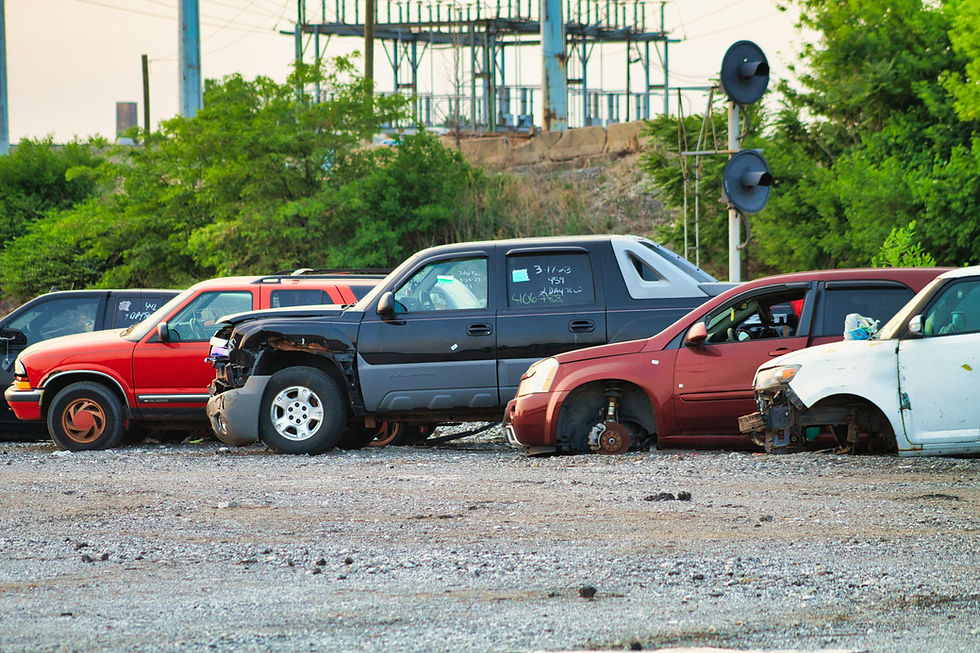
When you're stuck on the side of the road, the last thing you want to worry about is whether the tow truck company you called is legitimate. It’s super important to make sure the company you’re about to hire is on the up and up. This isn't just about avoiding scams; it's about making sure your vehicle is handled by professionals who know what they're doing and are properly covered if something goes wrong.
Confirm Valid Licensing and Permits
First off, check if the company is properly licensed. Every state and often local areas have specific rules for towing businesses. A licensed company means they've met the minimum legal and safety standards set by the authorities. It’s a basic sign that they're a real business operating legitimately. You can usually find this information on their website, or you can ask them directly. If they seem hesitant to provide details about their licenses, that's a red flag.
Ensure Comprehensive Insurance Coverage
This is a big one. Towing involves moving heavy vehicles, and accidents can happen. You need to know that the company has insurance to cover any damage that might occur to your car during the tow. Ask them about their insurance policy. What does it cover? What are the limits? A reputable company will be upfront about this and can provide proof of insurance. This protects you from unexpected costs if your vehicle gets dinged or worse while being loaded or transported. It’s wise to check if your own auto insurance or even some credit cards offer any roadside assistance benefits that might cover towing services like AAA.
Evaluate Driver Training and Certifications
Beyond the company's paperwork, the people doing the actual towing matter a lot. Are the drivers trained? Do they have certifications? Many towing companies invest in training programs for their drivers. This training often covers safe vehicle handling, proper use of equipment, and even how to deal with different types of vehicles, including tricky ones like motorcycles or electric cars. Drivers who are certified by industry groups often have a higher standard of knowledge and practice. Asking about driver qualifications gives you a better sense of the company's commitment to quality service and safety. A company that invests in its drivers is likely to provide better care for your vehicle.
Evaluate Service Range and Availability
When you're stuck on the side of the road, the last thing you want is to find out the tow truck company you called doesn't actually cover your area or isn't available when you need them. It's super important to check this stuff before you actually need a tow.
Confirm 24/7 Emergency Assistance
Breakdowns don't keep business hours, right? A flat tire at 2 AM is just as much of a problem as one at 2 PM. Make sure the company you're considering offers round-the-clock help. This means they have people ready to go at any time, day or night, even on holidays. It's that peace of mind knowing someone's available, no matter when trouble strikes.
Inquire About Response Time Estimates
Nobody likes waiting around forever. While it's tough for any company to give an exact minute, you should ask about their average response times. They should be able to give you a ballpark figure, maybe mentioning how things can change depending on traffic or the weather. A good company will be upfront about this and might even have ways to track their truck's arrival, like a GPS link. It's also helpful to know how many trucks they have out and about; more trucks spread out means they can likely get to you faster. You can find companies that focus on quick service in your area, like T & W Towing.
Check Service Area Coverage
This one seems obvious, but it's easy to forget in a stressful situation. Does the company actually operate where you are? Some companies stick to a small town, while others cover a whole county or even multiple states. You don't want to be stranded miles from home and discover they only work within a 20-mile radius of their office. Always confirm their service area before you commit. It's also worth asking if they have any special arrangements for longer distances if that's something you might need.
It's a good idea to have a couple of towing companies saved in your phone contacts before you travel. That way, if something happens, you're not scrambling to find a number and then figuring out if they can help you.
Assess Equipment and Safety Protocols
When you're stuck on the side of the road, the last thing you want is for the tow truck to cause more problems. It's super important to check out what kind of gear they're using and how they plan to keep your car safe. Think of it like hiring someone to move your prized possessions – you want to know they've got the right tools and know-how.
Examine Tow Truck and Equipment Types
Not all tow trucks are created equal, and the right one depends on your vehicle. For most cars, especially if they've had an accident or have mechanical issues, a flatbed truck is usually the best bet. This type of truck lifts the entire vehicle off the ground, so there's zero stress on your wheels, suspension, or drivetrain. It’s like giving your car a comfortable ride on a moving platform. Wheel-lift trucks, on the other hand, are more for shorter distances or when a vehicle can still roll a bit. They lift the front or rear wheels, but the other two are still on the pavement. It’s good to ask what kind of truck they plan to send.
Flatbed Tow Trucks: Ideal for most situations, especially for long distances or damaged vehicles. They minimize wear and tear.
Wheel-Lift Tow Trucks: Suitable for lighter vehicles or shorter tows where the vehicle is drivable.
Specialty Trucks: Some companies have trucks designed for heavy-duty vehicles, motorcycles, or even classic cars that need extra delicate handling.
Understand Vehicle Securing Procedures
Once the right truck is there, how they actually strap down your car matters a lot. A good company will have clear steps to secure your vehicle properly. This usually involves using strong straps, chains, and sometimes specialized wheel cradles. They should be checking your car for any existing damage before they even start hooking things up, and they should have a way to document it, maybe with photos. This protects both you and them. Ask them how they prevent straps from scratching paint or damaging rims. It shows they've thought about the details.
It's not just about getting your car onto the truck; it's about making sure it stays put and doesn't get banged up during the journey. This involves using the right kind of straps, making sure they're tight but not too tight, and positioning them so they don't rub against paint or delicate parts. A professional will take their time with this step.
Inquire About Damage Prevention Measures
Beyond just securing the vehicle, what else do they do to prevent damage? Some companies use protective coverings for straps or chains where they might touch the car. They might also have specific procedures for different types of vehicles – like using soft straps for alloy wheels or ensuring a classic car isn't put under undue stress. It’s also wise to ask about their policy if, despite their best efforts, damage does occur during the tow. Knowing their process for handling claims and their insurance coverage can give you a lot of peace of mind. You can often find information about a company's commitment to safety and their equipment on their website, or by asking them directly. If you're looking for a company that prioritizes careful handling, checking out Sizemore Towing might give you an idea of what to look for in their contact information and service details.
Compare Pricing and Additional Services
Request Detailed Cost Estimates
When you're stuck on the side of the road, the last thing you want is a surprise bill. It's really important to get a clear picture of what you'll be paying before the tow truck even shows up. Don't be shy about asking for a breakdown of the costs. This usually includes things like a hook-up fee, a per-mile charge, and maybe even extra fees for things like waiting time or if it's late at night. Always ask if there are any potential extra charges you should know about. This way, you can avoid those awkward conversations later.
Understand Payment Options
It's also smart to figure out how you can pay. Most companies take major credit cards, which is usually the easiest way. But some smaller outfits might prefer cash, or maybe they don't take certain cards. If you have roadside assistance through your car insurance or a membership like AAA, check if the towing company can bill them directly. This can save you from having to pay out-of-pocket and then wait for reimbursement. Knowing the payment methods beforehand means one less thing to worry about when you're already stressed.
Explore Extra Service Offerings
Sometimes, a towing company can do more than just hook up your car and drive it away. Some might offer services like:
Jump-starts for dead batteries
Tire changes if you have a flat
Fuel delivery if you've run out of gas
Lockout assistance if you're stuck outside your car
These extra bits of help can sometimes be a lifesaver and might even be cheaper than calling a separate service. It's worth asking what else they can do. You might find a company that can handle a few different roadside issues, which is pretty handy. If you find a company that offers a wide range of help, you might want to save their number. You can find local towing services that might be able to help with these issues in your area.
When you're comparing prices, remember that the cheapest option isn't always the best. Look for a company that is upfront about its costs and offers a good balance of price and reliable service. A slightly higher price for a company with a solid reputation and good reviews is often worth the peace of mind.
Peace of Mind on the Road
So, when you're out there traveling, remember that a little bit of planning goes a long way. Taking a few minutes to look into towing companies before you actually need one can save you a lot of headaches. Check out what other people say online, ask around for recommendations, and make sure they're licensed and insured. It’s not just about getting your car moved; it’s about knowing you’ve got someone reliable in your corner if things go wrong. Having a trusted towing service lined up means you can focus on enjoying your trip, not worrying about what happens if your car decides to take an unscheduled break. Safe travels!
Frequently Asked Questions
What should I do if my car breaks down while I'm traveling?
When your car breaks down, stay calm. First, ensure your safety by moving your vehicle to a safe spot, like the shoulder of the road, if possible. Turn on your hazard lights. Then, call a reliable towing company. It's a good idea to have a few trusted companies saved in your phone or to use a reputable app.
How can I find a good towing company quickly if I'm in an unfamiliar area?
If you're in a new place, start by asking for recommendations from locals, hotel staff, or even other drivers if it's safe. You can also search online for 'towing services near me' and check their reviews. Look for companies with high ratings and positive comments about their speed and service.
What information do I need to give the towing company?
You'll need to tell them your exact location, including the road name, mile marker, or nearest landmark. Describe your vehicle (make, model, color) and the problem it's having. Also, let them know where you want the car towed, like a specific mechanic or your home.
How do I know if a towing company is legitimate and safe?
A trustworthy company will have proper licenses and insurance. Don't hesitate to ask for proof of these. Also, check if their trucks look well-maintained and if their drivers seem professional and knowledgeable about towing procedures. Good online reviews also help.
What should I expect regarding the cost of towing?
Towing costs can vary. Always ask for a detailed price estimate before they start the job. Understand what the price includes – like distance, type of tow, and any extra fees for nights or holidays. Compare prices if you have time, but remember that the cheapest option might not be the best quality.
Are there any extra services towing companies might offer?
Yes, some companies offer more than just towing. They might provide roadside assistance like jump-starts, tire changes, or fuel delivery. Some also offer vehicle storage if needed. Knowing these extra services can be helpful in different situations.

Comments